Menopause
8 min read
Why anxiety increases during hormonal transition
Hormonal fluctuations can affect the nervous system, sleep quality, and emotional regulation, making anxiety feel more intense during transition phases.

Introduction
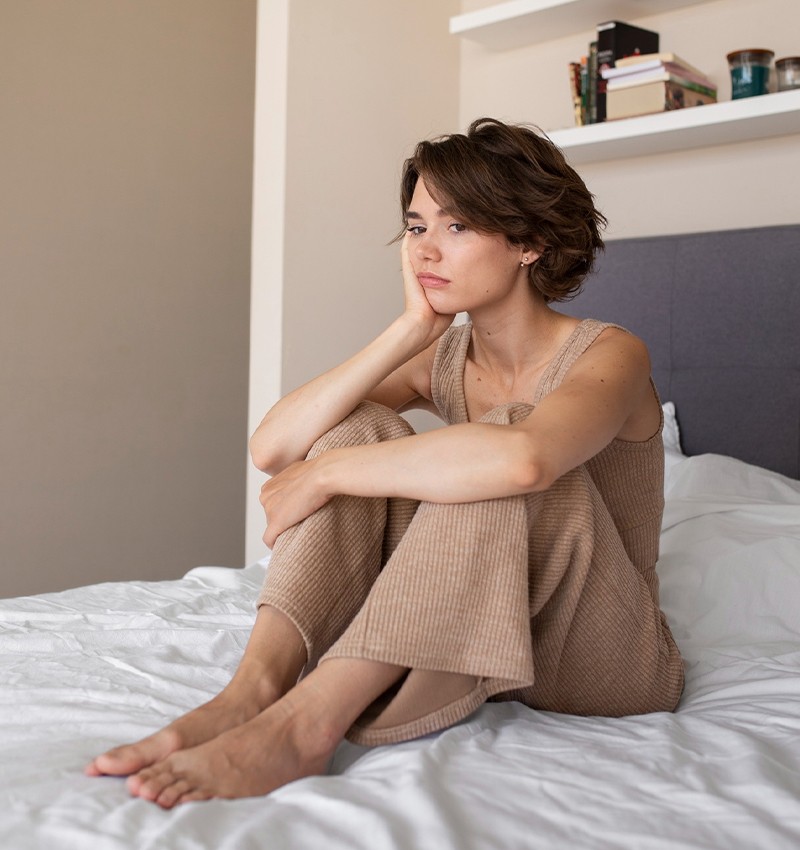
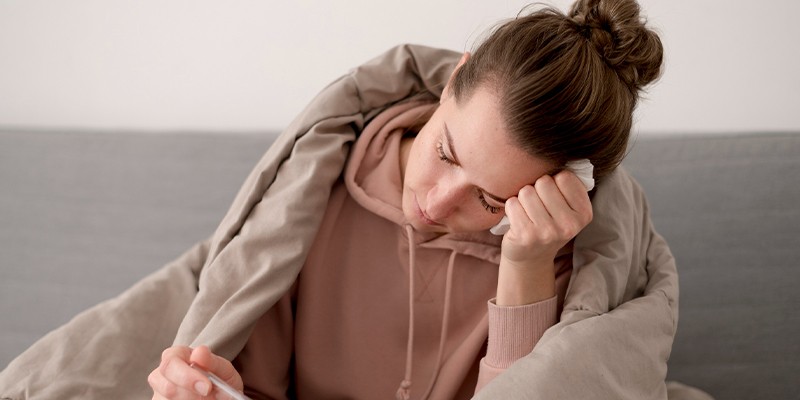
For many women, anxiety appears during hormonal transition in ways that feel completely unfamiliar. Women who previously handled stress well may suddenly feel emotionally overwhelmed, overstimulated, or constantly on edge.
What makes this especially confusing is that anxiety often develops gradually. Some women first notice racing thoughts at night, increased sensitivity to stress, or feeling emotionally exhausted after small daily challenges.
Others experience physical symptoms like a racing heart, chest tightness, digestive discomfort, or difficulty relaxing even when nothing feels obviously wrong.
Because these symptoms often appear during busy stages of life, many women assume they are simply burned out or under too much pressure.
The connection between hormones and the nervous system
Hormones influence far more than reproductive health alone. Estrogen and progesterone both affect neurotransmitters connected to mood regulation, stress response, and emotional processing.
Progesterone especially has calming effects on the nervous system. When progesterone levels begin fluctuating or declining, many women notice increased anxiety, lighter sleep, or feeling emotionally reactive.
At the same time, estrogen fluctuations can make the brain more sensitive to cortisol and stress.
“Hormonal anxiety often feels physical as much as emotional.”
Why anxiety feels worse at night
Many women notice their anxiety becomes strongest during the evening or early morning hours.
Hormonal shifts can affect cortisol regulation and sleep stability, making the nervous system feel more activated at night. This is one reason women may suddenly wake up around 3 or 4 AM with racing thoughts and difficulty falling back asleep.
Over time, poor sleep itself begins intensifying anxiety symptoms even further.
Anxiety often appears alongside other symptoms
Hormonal anxiety rarely appears completely alone.
Women may also notice:
Brain fog
Fatigue
Irritability
Disrupted sleep
Mood swings
Lower stress tolerance
Changes in cycle patterns
Because symptoms overlap with everyday stress, many women do not immediately realize hormones may be contributing.
Why women often feel dismissed
Many women are told anxiety is simply caused by stress, personality, or lifestyle habits.
While emotional stress absolutely matters, hormones influence how the nervous system responds to stress in the first place.
This is why women often feel frustrated when traditional stress-management advice alone does not fully improve symptoms.
Supporting nervous system recovery
Small lifestyle changes can often support nervous system regulation significantly:
Consistent sleep routines
Reduced caffeine intake
Daily stress management
Strength training with recovery
Better blood sugar stability
Nervous system calming practices
Recovery becomes especially important during hormonal transition.
Conclusion
Anxiety during hormonal transition is real, common, and deeply connected to the nervous system. Hormonal shifts can influence emotional resilience, stress response, and sleep quality long before women recognize what is happening.
The more women understand this connection, the easier it becomes to approach symptoms with more self-awareness and less self-blame.
More Articles